

Scotland’s Heroines
In 1886 – the marble busts of Robert Burns and King Robert the Bruce were unveiled in ‘The Hall of Heroes’ in the Monument, recognising the achievement of two of the most famous of all Scotsmen, who each had secured their own place in history.
A further 14 busts of famous Scotsmen were added over time, creating the gallery which is now such a distinctive feature of the Monument.
Every one of the characters profiled in the gallery has reflected the spirit of William Wallace through their commitment to liberty, through their opposition to discrimination and inequality, and by the lengths which they went to in order to improve the lives of other people.
In 2019 – the Monument added the first female figureheads to The Hall of Heroes – in a new development to recognise the achievements and successes of famous Scottish women, and which complements the well-known busts by illustrating the roles which so many women have played in the story of Scotland.
The Shortlist
To begin the process to select a Heroine, a panel of advisors were appointed who were responsible for preparing a shortlist of candidates from an initial list of several hundred names.
The public were then invited to make their choice – by voting from the shortlist of fourteen.
In their own way, every one of the fourteen nominated women has made an outstanding contribution to the lives of countless men, women, and children, in Scotland, and in countries around the world.
The shortlist featured pioneering engineers Victoria Drummond and Dorothée Pullinger. It included women who tirelessly campaigned for equality – such as Christian Maclagan – and those who were among the first females to attend university, including Sophia Jex-Blake and Chrystal Macmillan. Many others dedicated their lives to helping those in need, including Elsie Inglis, Maggie Keswick Jencks, Jane Haining and Mary Slessor. And whether it was their contribution to the arts – as seen in Margaret Macdonald Mackintosh, Màiri Mhòr nan Òran and Jean Redpath – or their undeniable talent in their chosen field – as shown by Nancy Riach and Mary Somerville, they all earned the right to be recognised as Scotland’s Heroines.
Read more about the stories of the women featured in The Shortlist here.
The Result
On Wednesday 19th April 2017 it was announced that both Missionary Mary Slessor and co-founder of the Maggie’s Centres, Maggie Keswick Jencks, would be introduced into The Hall of Heroes after they emerged clearly as the frontrunners in the public vote.
Both women exhibited selflessness and personal commitment to social improvement, and through their efforts to help others they achieved worldwide recognition.
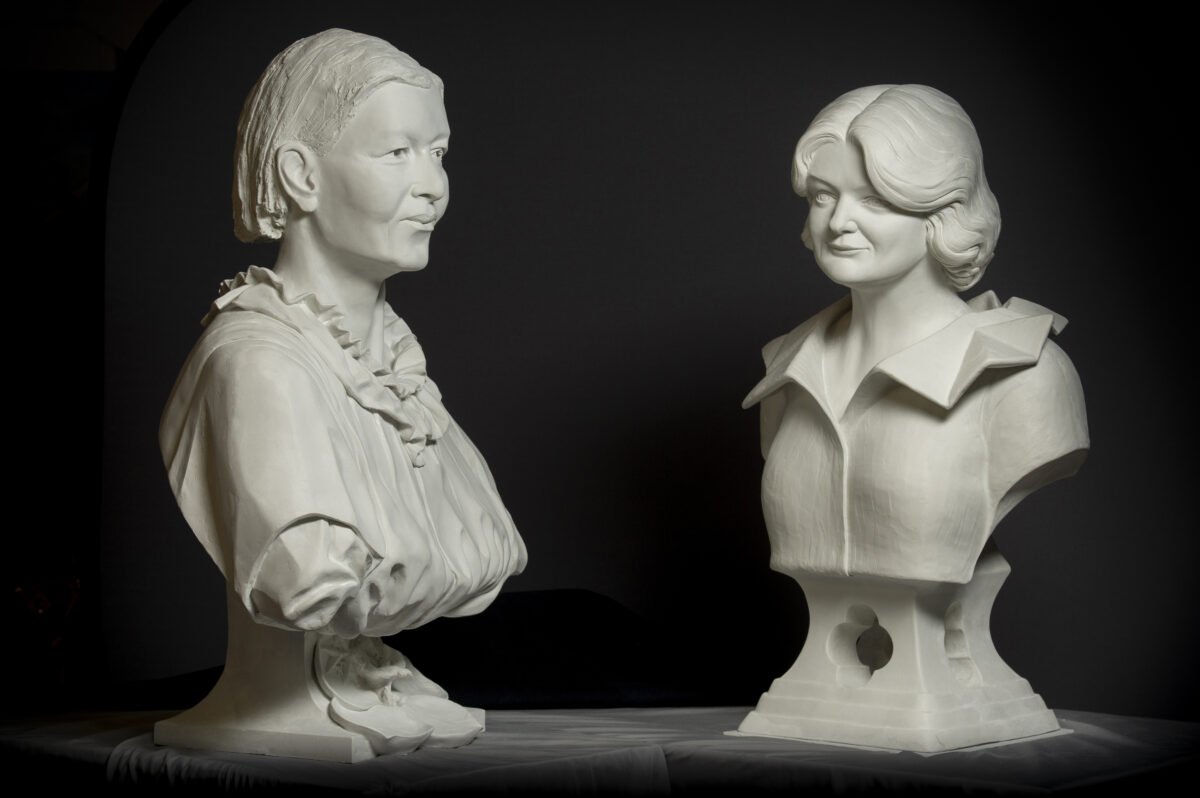
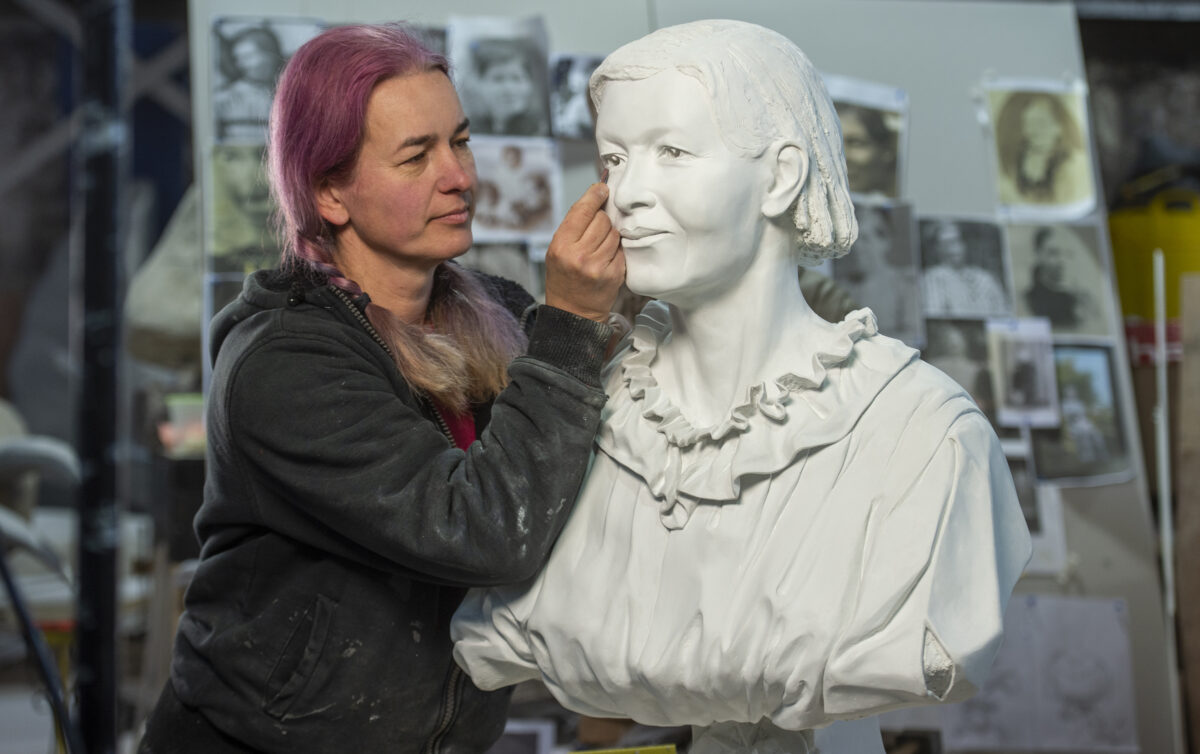
Mary Slessor (1848-1915) has been described as the most celebrated Scottish missionary since David Livingstone, who inspired her to a life of service. Determined to overcome the challenges of her early years, and largely self-taught, she combined her missionary zeal with a practical approach to helping those in need, and she worked tirelessly to improve the quality of life for the people of Calabar, in Nigeria – against a background of prejudice and opposition.
A writer, gardener, and designer from Dumfries, Maggie Keswick Jencks (1941-1995), with her husband Charles founded the Maggie’s Centres, which offer practical, emotional and social support to people with cancer, their family and friends. She designed the blueprint for the centres, the first of which opened in Edinburgh in 1996, while she herself was facing cancer.
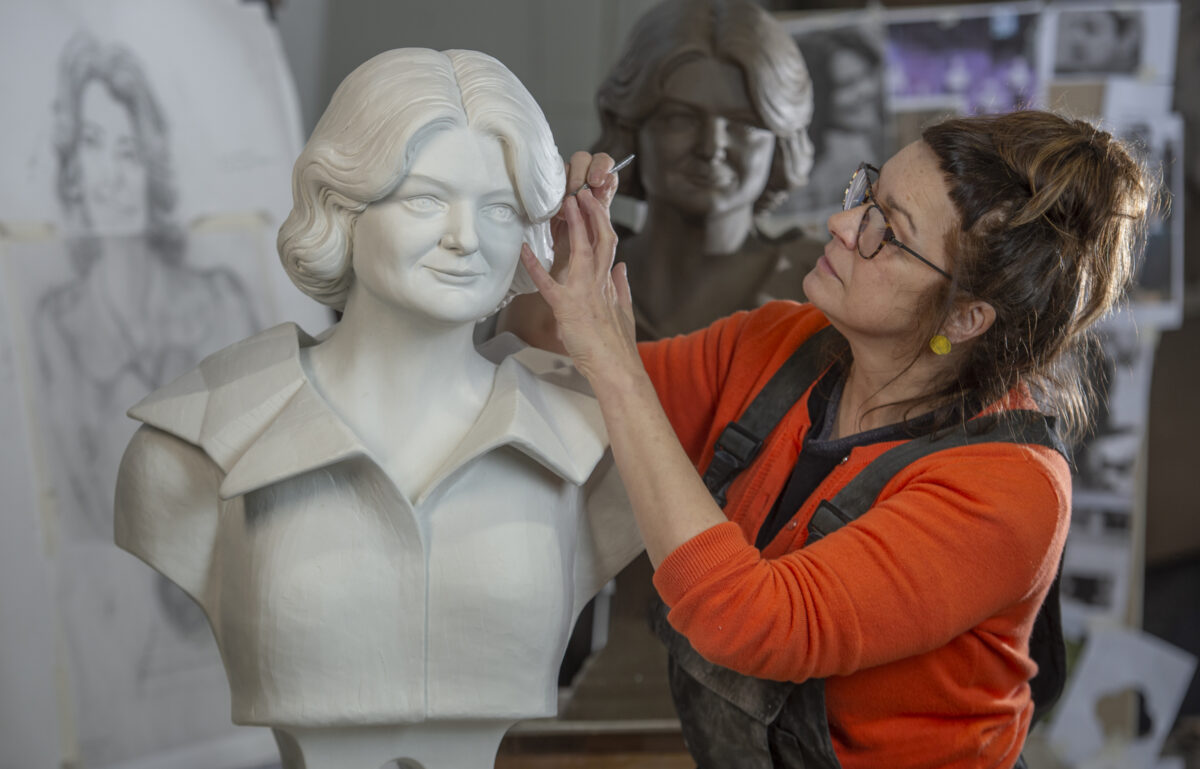
The busts of Missionary Mary Slessor and co-founder of the Maggie’s Centres, Maggie Keswick Jencks, were unveiled on the 24th October 2018.
The busts were introduced into The Hall of Heroes at The National Wallace Monument in early 2019, forming part of the building’s 150th anniversary celebrations.
The physical and logistical constraints of The Hall of Heroes present challenges as to the number and nature of commemorative displays that can be accommodated. Initially, the two heroines will be commemorated, whilst additional displays and information tell the story of the other deserving females shortlisted.


